Configure camera input switching
Learn more about how to Configure camera input switching
Set up routing
On SETUP > Configure > Routing: Camera systems and Media inputs & outputs are routed. For SDI signals (AJA and BMD) this means recreating the physical routing setup of your production.
Update the default settings of your show before you start routing.
Set up Genlock
Genlock is used to synchronize the camera and tracking data to provide guaranteed video output timing. There should be one common source for the Genlock signal for all connected machines.
The Genlock item is present on every connected machine and cannot be removed.
-
Set the Genlock source

|
External ref |
Genlock comes from an analog external reference signal. Both Blackburst and Tri-level syncs are supported. |
|---|---|
|
SDI(n) |
Genlock is derived from a specified external SDI input’s video clock |
|
Freerun |
an internal Genlock is generated Freerun does not guarantee synchronisation with other machines. A warning is shown, if more than 1 machine with configured Routing (input and output routed) is connected. |
Set up Timecode
Learn more about how to Set up timecode in Director
Add a camera system
-
In the top-right corner of a machine, hover over "Camera system" and choose a camera system to route

-
A combined media and tracking input gets added and is automatically expanded
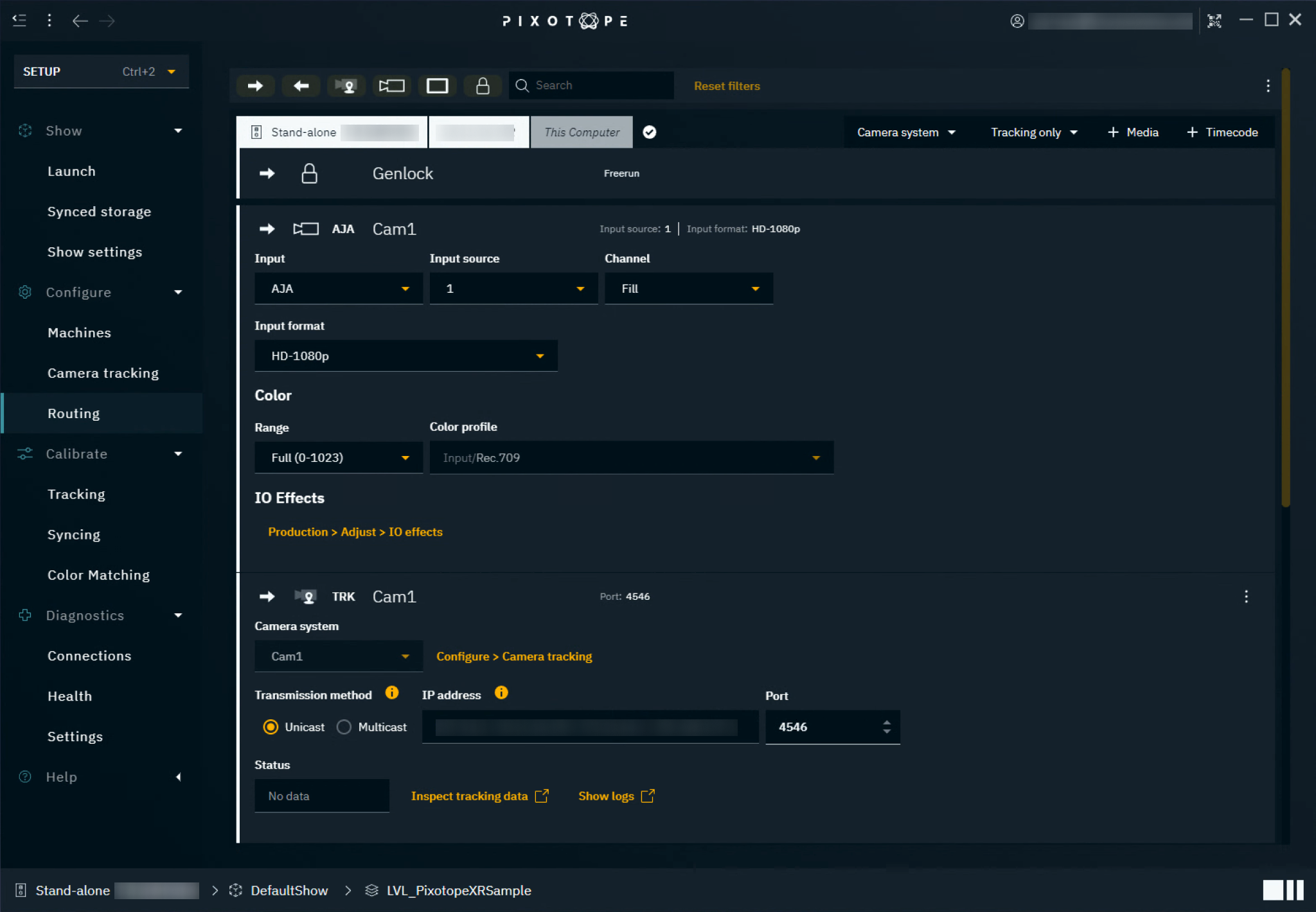
Unless camera input switching is enabled, only one camera system can be used per machine.
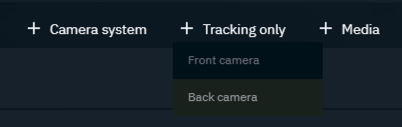
Alternatively, add Tracking only
In some cases, such as XR workflows, a video feed is not needed.
-
In the top-right corner of a machine, hover over "Tracking only" and choose a camera system to route
-
A Tracking item will be added and is automatically expanded
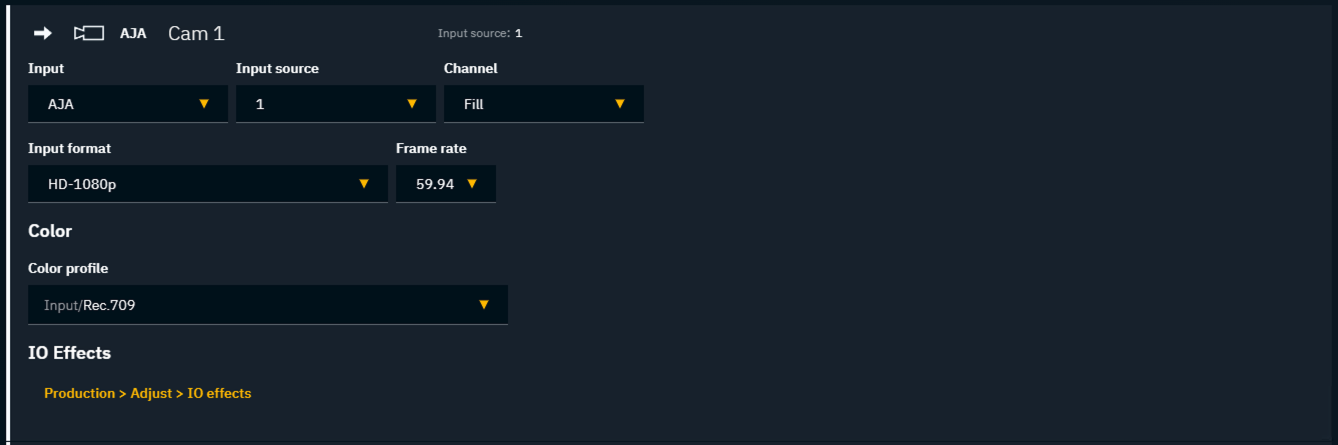
Update camera settings
-
Change Input and Input format if needed
-
Change the default in SETUP > Show settings to avoid repeating this step for each input
-
-
Set the Input source and adjust their settings
-
See Supported input and output types for options
-
-
Optionally: Adjust the color profile
Learn more about Supported input and output types
Learn more about color profile and color space in how to Configure your color pipeline
The frame rate of inputs and outputs must be the same!
Changing it individually can lead to unexpected results.
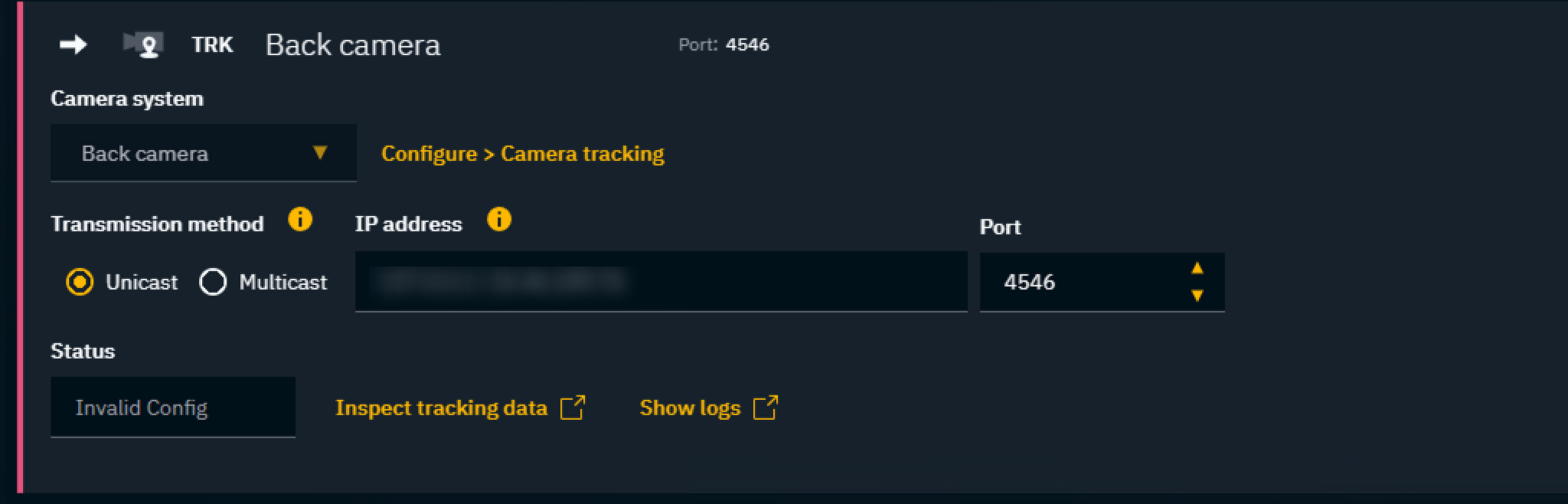
Update camera tracking settings
-
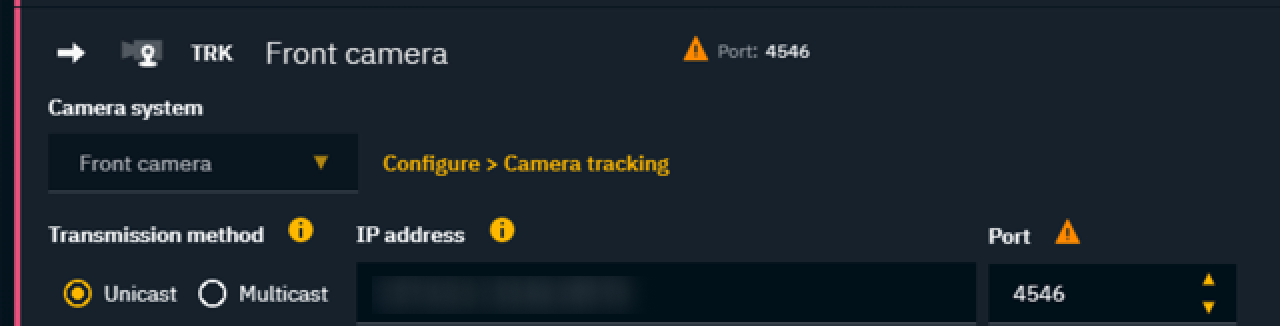
Choose the Transmission method
|
Unicast |
Send data from a single tracking source to a single tracking service. Recommended if you have a single tracking source per tracking service OR if your tracking system can send reliably to multiple IP addresses.
|
|---|---|
|
Multicast |
Send data from a single source to a group of interested tracking services in a single transmission. Recommended if your tracking system does not allow sending to multiple IP addresses. Most current IP stacks support the IP multicast routing protocol. Check the manual of your network hardware for details.
|
For Ncam SDK (TCP) tracking protocol:
Enter the Ncam’s server IP address. The port number cannot be changed.
Check tracking data status
Check the status field. It will either read:
-
xx Hz(incoming tracking data frequency)-
The setup was successful
-
-
No data-
No incoming tracking data detected. Check this item’s configuration.
-
Alternatively you can also
-
Inspect tracking data via the Tracking plotter
-
Show logs of the tracking service
-
in the Editor: check the Network status
Route additional media inputs
Add additional media inputs, if you need untracked video sources in your level (for example, the input for a virtual monitor).

-
Hover over Media and click "Input”
-
Name your input
-
Follow the steps in “Update media input settings” above
Learn more about how to Add a virtual monitor or other video feeds
Route media output
-
Hover over Media and click "Output"
-
Name your output
-
Change the Output format if needed
-
Change the default in SETUP > Show settings
-
-
Set the output destination and adjust their settings
-
See Supported input and output types for options
-
-
Optionally: Adjust the output type
-
Optionally: Adjust the output format and color profile
The frame rate of inputs and outputs must be the same!
For example, if your production needs to output in 50p, choose a 50p output format and set your physical camera and the camera system up to match.
Route more than one output per machine
Unless for external compositing, this features is only available when using an XR multi-wall license
In Director
-
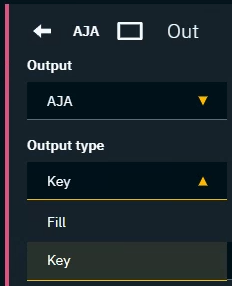
Route 2 or more media outputs to the machine
-
In case one of the channels is a key, choose "Key" in Output type
In Editor
-
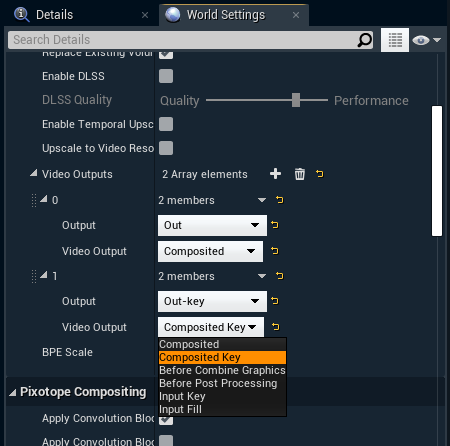
Add 2 output channels by clicking the + icon on Pixotope World Settings > General > Video Outputs
-
Under "Video Output" choose the channels you want to output
-
Choose to which "Output" this channel should be mapped

Manage routing
Filter on machines or types
Use the filter and search bar on the top to focus on
-
Specific machines
-
Inputs or Outputs
-
Type of routed items

Manage items
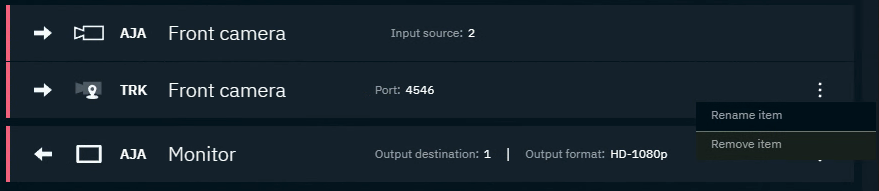
Routed items can be removed or renamed from the overflow menu on the right side of the item. Camera systems are only managed through the Tracking item.
Warning system
Routing is crucial to have properly setup. Any issues found within a machine’s routed stack will show a warning icon. Hovering over it will display the issue found including a suggestion on how to resolve it.

Machine header
Contains all issues found in the routed stack.

When there are no issues detected, the machine header shows a checkmark.

Row item - collapsed
Contains all issues found in this routed item.

Row item - expanded
Shows the found issue next to the field.